
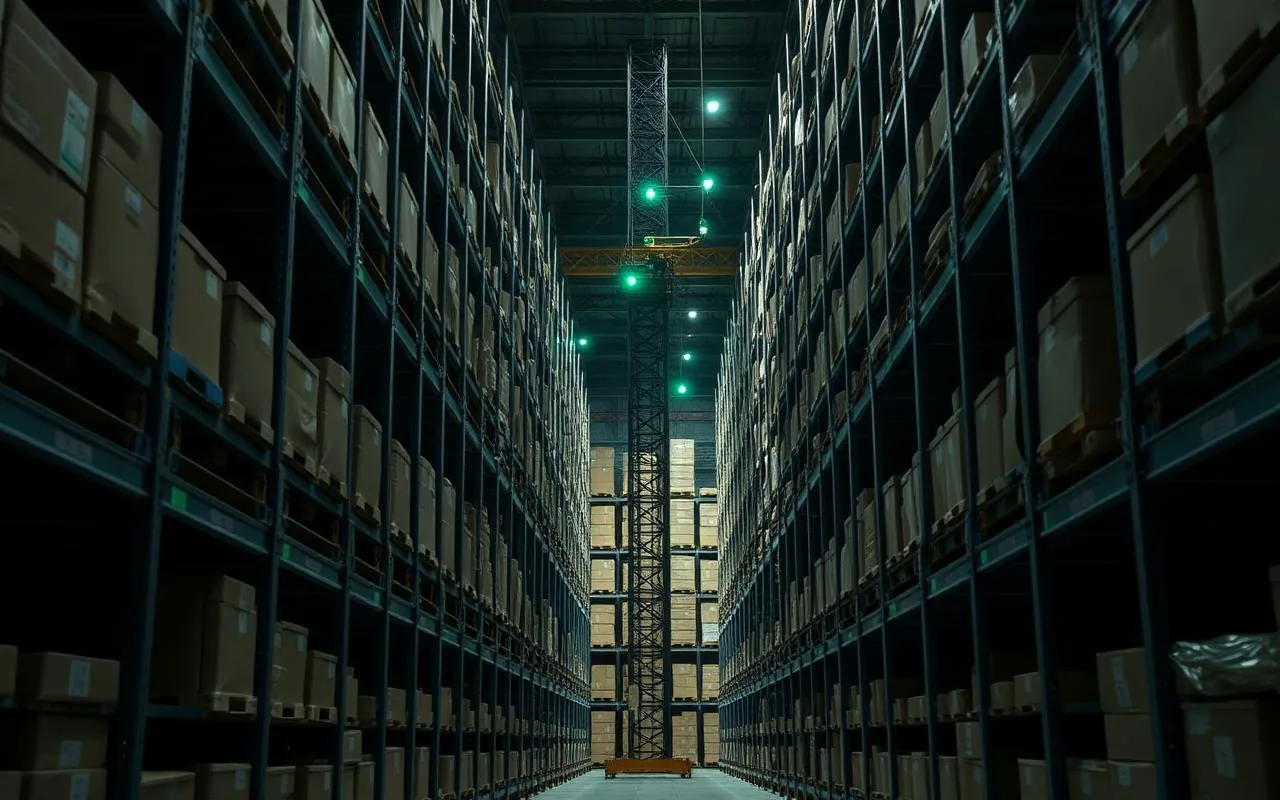
Machines that
move the pallet.
Five product lines, from a shuttle that works inside a single lane to a fully automated storage and retrieval structure. Every one of them is specified on the same five measurements so you can read across the range instead of comparing brochures.
Same five measurements, every product
Automation quotes are hard to compare because no two vendors publish the same fields. We fixed the order and the units across the whole range.
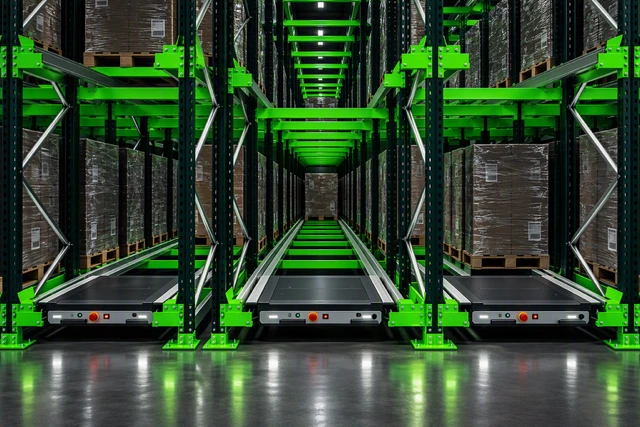
Deep Lane Pallet Shuttle
A shuttle works inside the lane so depth is no longer limited by how far a forklift can reach. LIFO and FIFO can run in the same installation.
- Load capacity
- 55 – 3,300 lb
- Speed
- 2.6 ft/s loaded · 3.2 ft/s empty
- Temperature
- Down to −22°F
- Reach / depth
- Unlimited lane depth
- Integration
- Inventory counting capability
- Euro, industry and combined pallet types, plus big bags, CP 1-9 and plastic pallets
- Long-life batteries sized to maximize operating time between charges
- Electro-mechanical lifting device - simple to maintain and suited to cold store
- LIFO and FIFO possible in the same installation
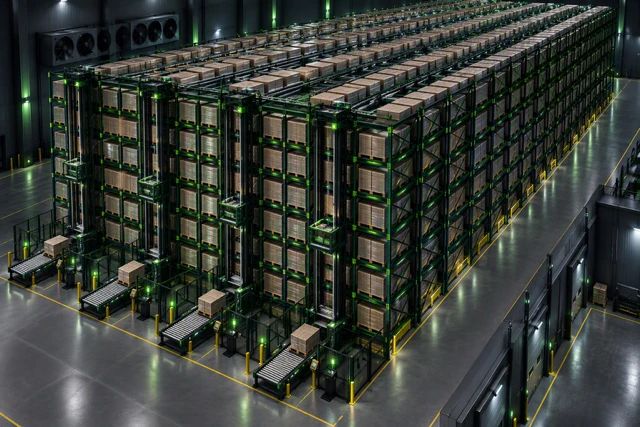
4D Shuttle AS/RS
Rack structure, shuttle robots and vertical lifts. Any shuttle can reach any pallet at any time, so there is no single point of failure.
- Load capacity
- Up to 3,000 lb (1,500 kg)
- Speed
- 4.59 ft/s (1.4 m/s)
- Temperature
- −20°F to +113°F
- Reach / depth
- Any shuttle, any pallet, any level
- Integration
- Fully integrates with any WMS
- Retrofits into existing space - no stacker-crane slab thickness required
- Fully redundant: no single point of failure, no prolonged loss of inventory access
- Maximum pallet positions from the minimum number and width of driving aisles
- Runs 24/7/365 in lights-out facilities
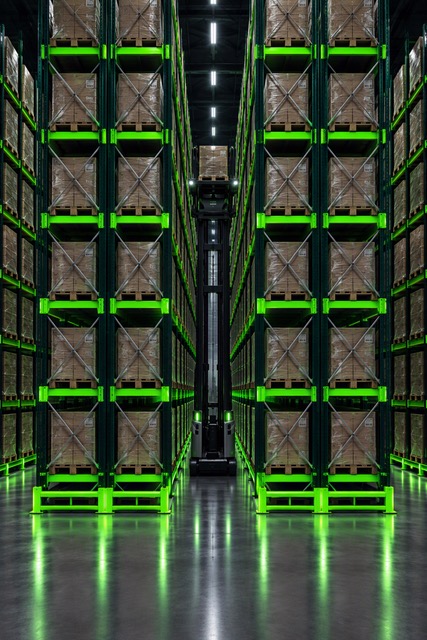
VNA + AMR
Very narrow aisle handling paired with autonomous mobile robots. Automates an existing conventional operation without replacing the rack.
- Load capacity
- Standard pallet loads
- Speed
- Continuous unmanned operation
- Temperature
- Ambient and chilled environments
- Reach / depth
- Buildings up to 60 ft clear height
- Integration
- Works with existing rack, WMS and floors
- Typical payback of one to two years
- No replacement of existing rack structure required
- Removes lift-truck traffic from the storage aisles
- Phased: automate one aisle, then the next
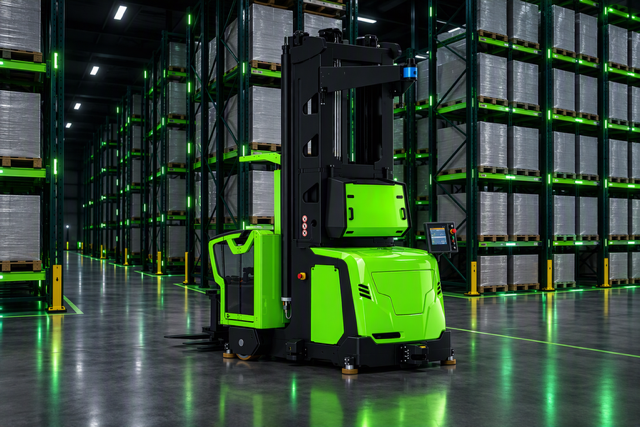
Autonomous Mobile Robot
Plug-in software and existing floors. AMRs move product between processes without new infrastructure or guide wire.
- Load capacity
- 1.2 ton (2,645 lb)
- Speed
- Up to 6.6 ft/s (2 m/s)
- Temperature
- −13°F to +113°F
- Reach / depth
- Works with existing floor surfaces
- Integration
- SLAM, LIDAR, QR or NFC navigation · MES and WMS
- Rapid deployment - setup in 24 hours
- No new infrastructure required
- 8 hours of battery life
- 50% fewer picking errors
- 360° protection with a fully enclosed body
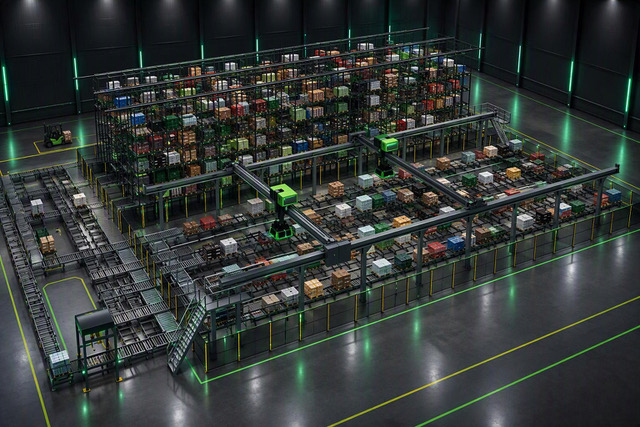
Automated Picking
Picking systems that span full layers down to individual eaches, including mixed-SKU pallet build and goods-to-person stations.
- Load capacity
- Layer, case and each level
- Speed
- Scaled by station and robot count
- Temperature
- Ambient, chilled and freezer options
- Reach / depth
- Mixed-SKU pallet build
- Integration
- Goods-to-person · WMS and MES
- Layer picking for full-layer order profiles
- Case and each picking for retail and e-commerce profiles
- Mixed-SKU pallets built to store-friendly sequence
- Goods-to-person keeps the operator stationary and the product moving
The dock is the last manual step
A trailer loaded one pallet at a time takes 30 to 45 minutes and puts a lift truck, an operator and your freight inside the same steel box. An automated loading system moves the whole trailer load as a single block, in a few minutes, without anyone entering the trailer.
Automated loading needs a predictable load pattern and a compatible trailer fleet. If your freight profile is genuinely mixed and your carriers change weekly, we will tell you so before you spend money on it.
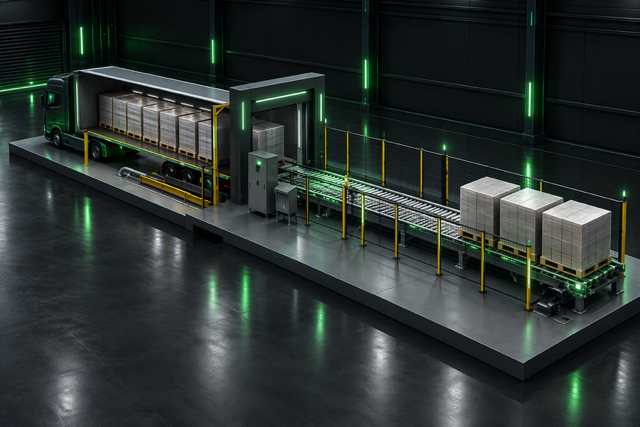
Load as one block
The full trailer load is staged on the dock, then transferred in a single movement. Cycle time stops scaling with pallet count.
No one in the trailer
The most common source of dock injuries is a lift truck working inside a trailer. Automated loading removes that task rather than protecting it.
Dock doors do more work
Faster turns mean more trailers through the same doors, which is usually cheaper than adding doors to the building.
Trailer-side or fixed
Systems can live in the trailer, in the dock floor, or both, depending on whether you control the fleet.
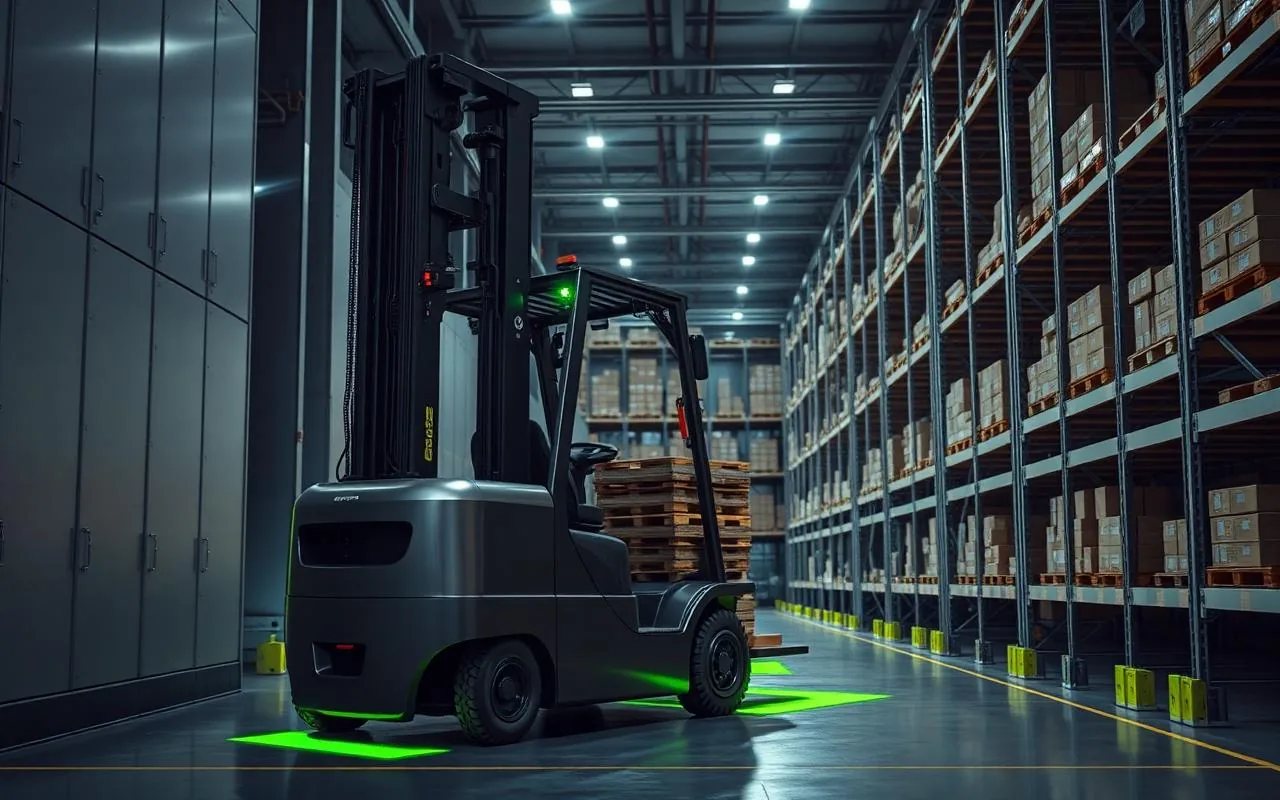
It has to talk to your WMS
Hardware is the easy half. We have the software people to connect these systems to the WMS you already run, and we will tell you up front where the integration work actually sits.