
Different
constraints.
A freezer, a 3PL cross-dock and a grocery DC all store pallets, and almost nothing else about them is the same. The binding constraint is what decides the system - so that is where we start.
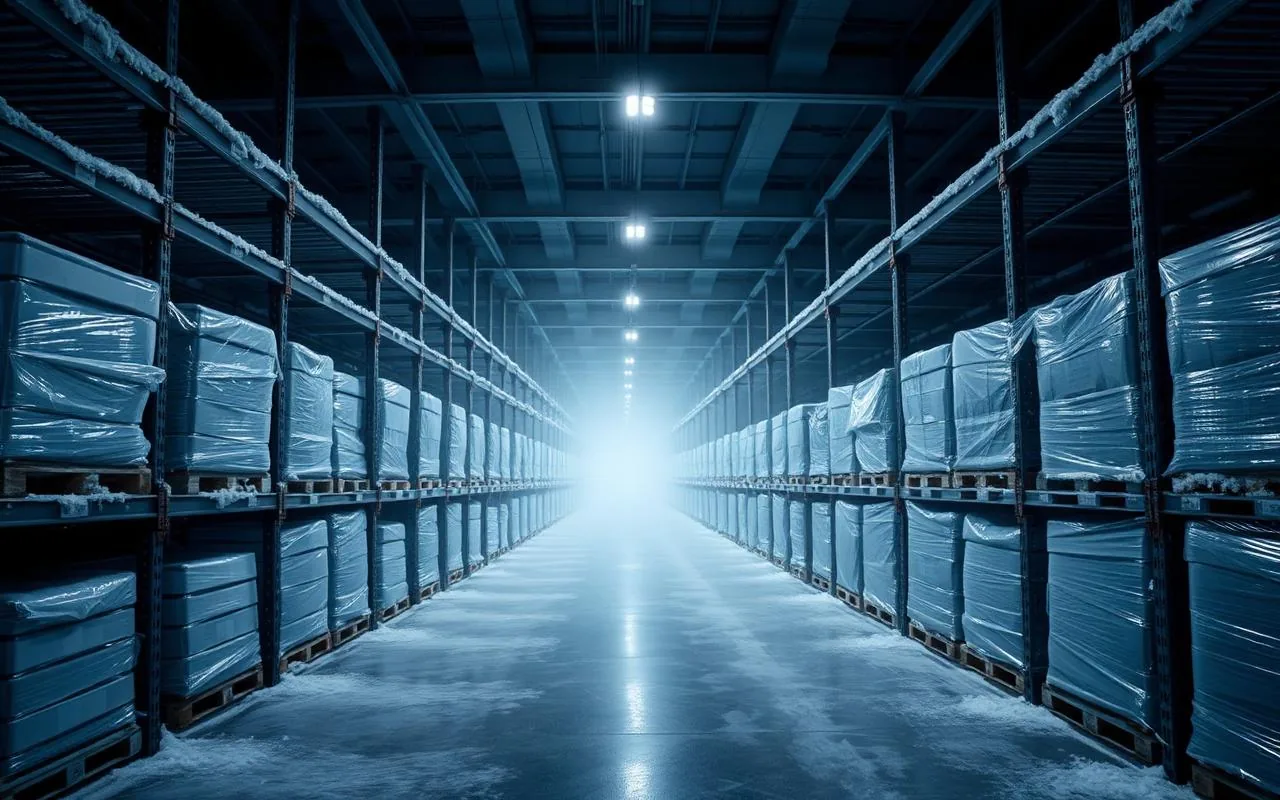
Cold Chain
When cost per square meter is at a premium, density is a prime factor. Labor is strained in these environments, forklifts require space to maneuver, and industrial trucks moving in and out create energy loss.
- Density is the cost lever - refrigerated cube is the most expensive cube you own
- Removing forklifts removes the maneuvering aisles that were being refrigerated
- Fewer door cycles and less traffic means less energy loss
- Shuttle systems rated to −22°F keep people out of the freezer
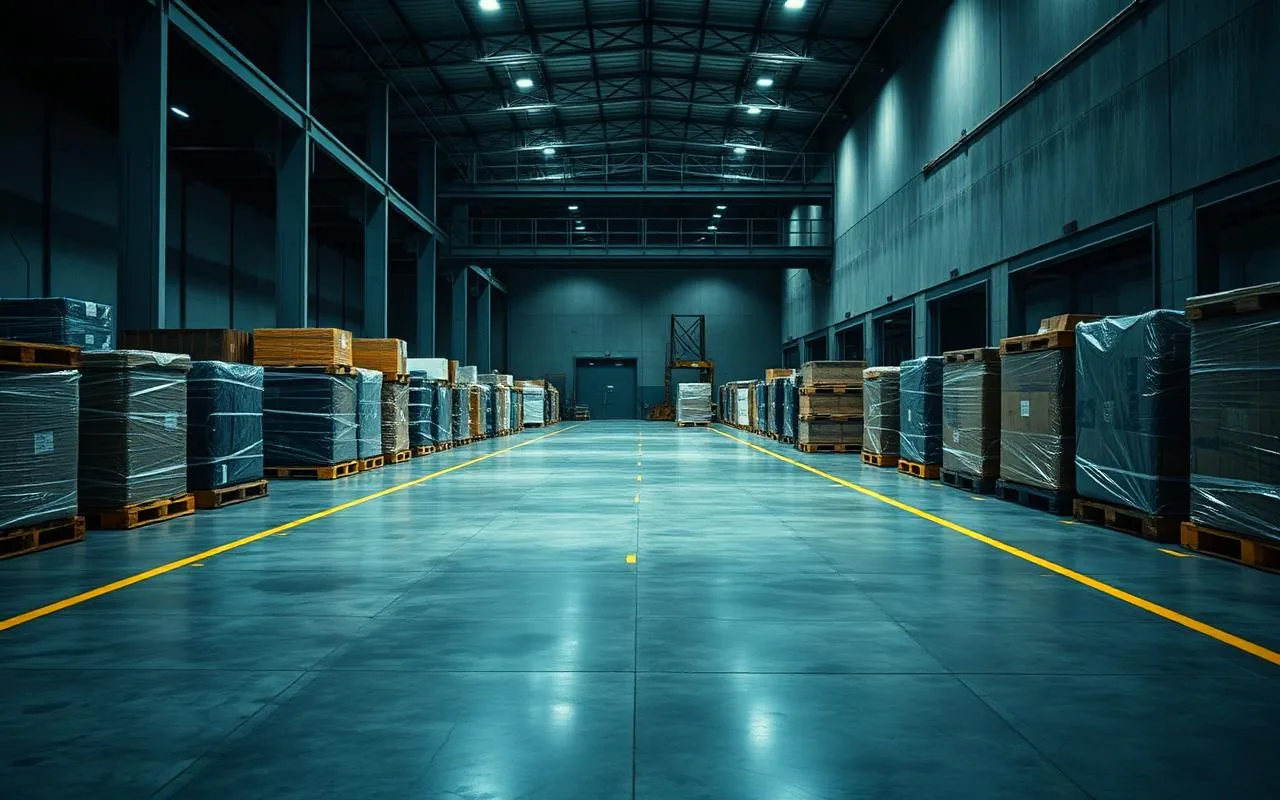
3PL & Distribution
Goods must move in and out quickly, and may be myriad SKUs or a few that need quick access. Density is a critical factor, as the entire model is based on how much you can store and how quickly you can retrieve it.
- Storage density and retrieval speed are the business model, not a preference
- SKU profiles change with every new client - the system has to change with them
- Modular systems let you take on volume without signing another lease
- Accurate, auditable inventory counts support customer SLAs
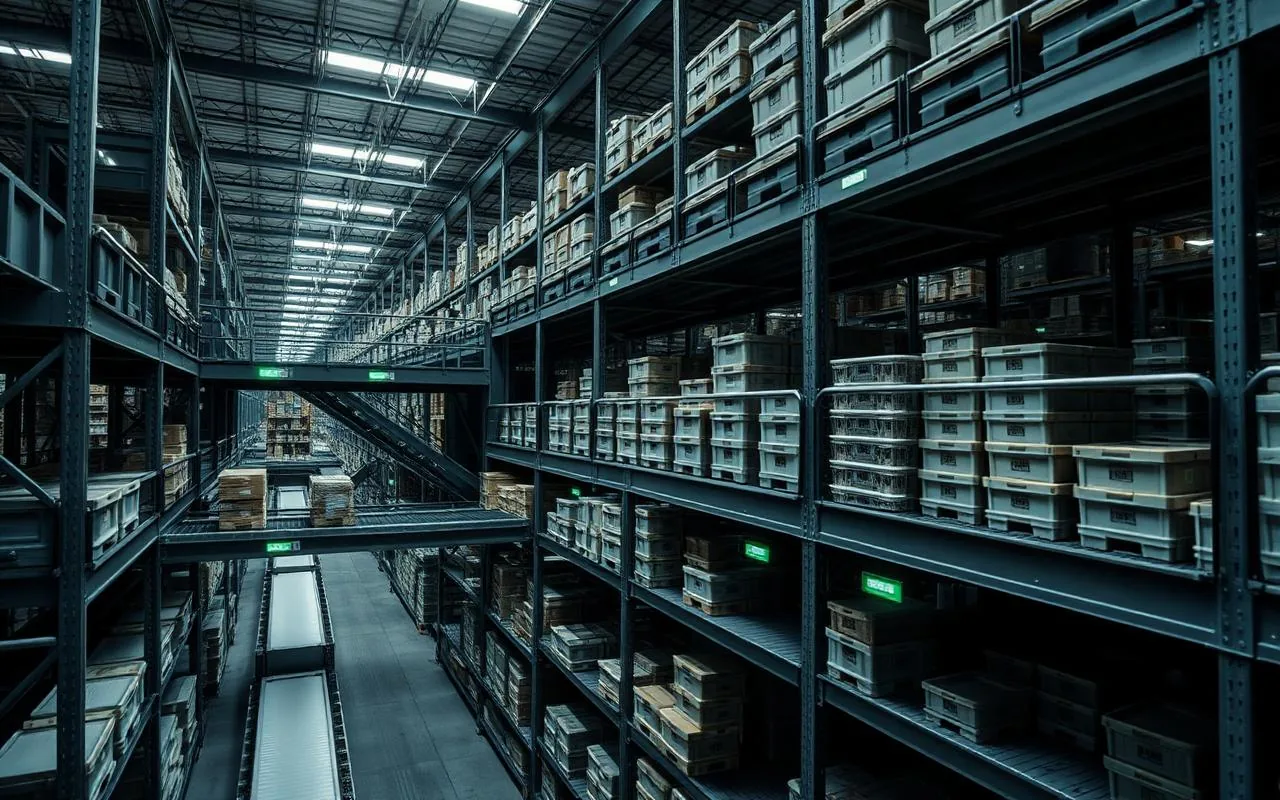
Retail & FMCG
A high number of SKUs combined with a large number of shapes and sizes requires a custom-tailored solution. In addition, seasonality or long-term holds affect whether deep lane is an option at all.
- High SKU count with varied shapes and sizes rules out a single-system answer
- Seasonality and long-term holds can make deep lane the wrong tool
- Mixed-SKU pallet build sequenced for the store aisle
- Hybrid layouts: selective, pushback and automated blocks in one building
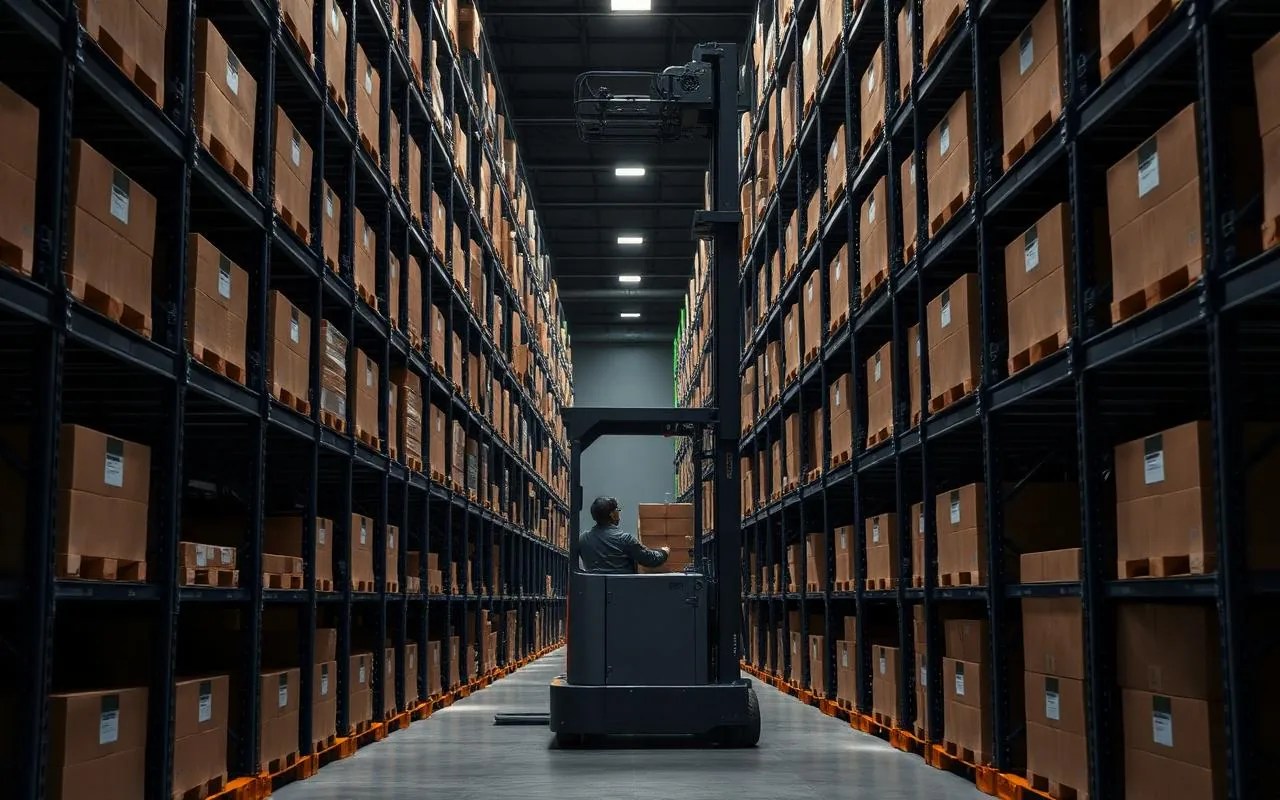
Manufacturing, pharma, beverage, e-comm
These three are where we do the most work, not the limit of it. If you store and move pallets, the same questions apply - SKU count, flow discipline, clear height, throughput. Tell us yours.